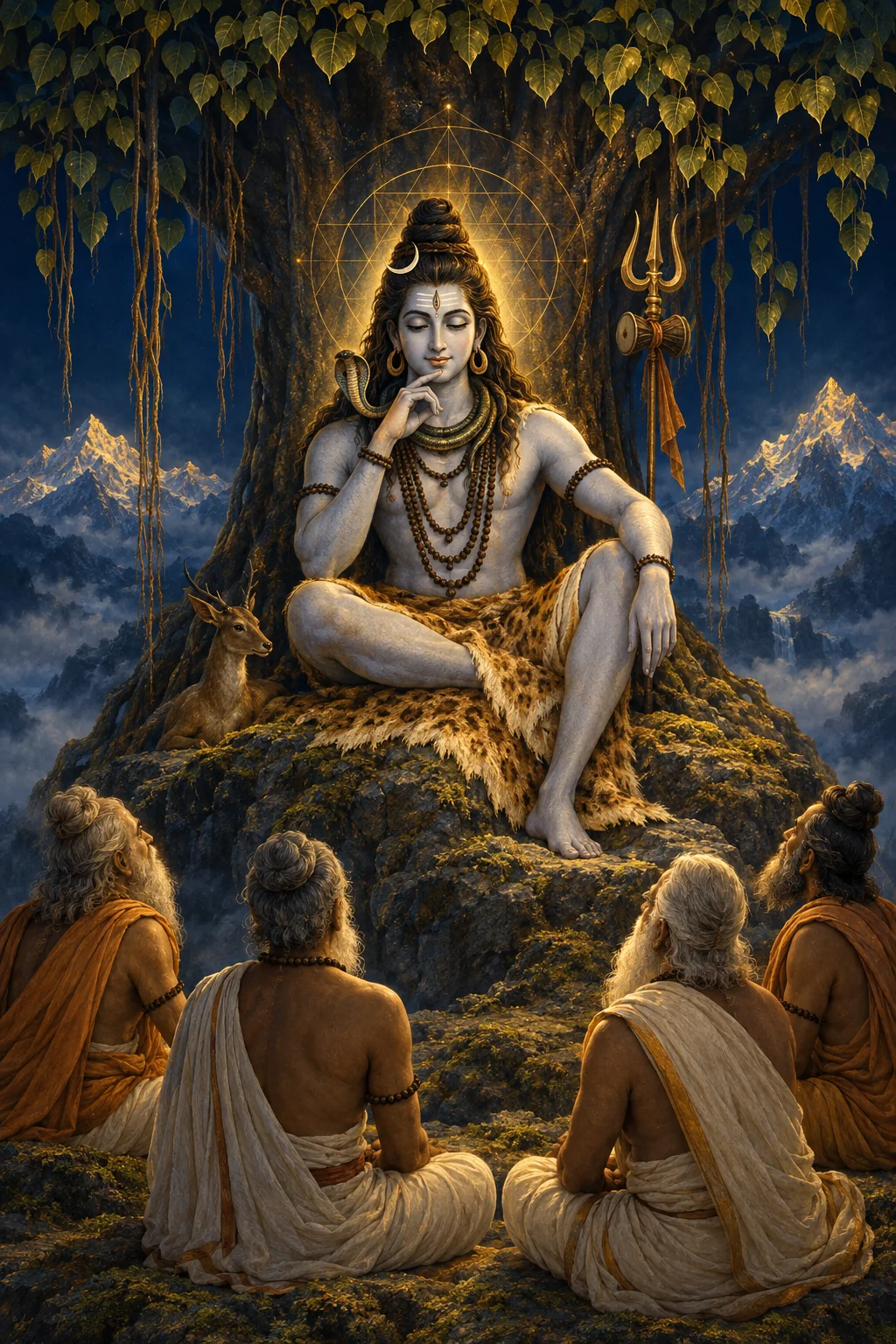
Fifty-one people, arranged on the steps of one stand.
Nothing on this site is invented. Every message traces back to a named teacher, and every teacher here has a full page — where they were born, where they walked, what they wrote, what they were up against, and what they actually said. They are set out below the way figures are set out on the steps at Navarātri: the oldest on the highest step, each step below it a little wider, until the lowest step holds the teachers who are still speaking this week.
Before the eighth century
The teacher of Śaṅkara's teacher, and the teacher who accepted him.
2 teachersThe eighth century
Śaṅkara, the four disciples he left in charge, and the opponent who became a disciple.
6 teachersNinth to eleventh centuries
The sub-commentators who made the position argue for itself.
4 teachersTwelfth to eighteenth centuries
Consolidation: manuals, method texts, and a wandering saint who wrote nothing down.
4 teachersThe nineteenth century
Non-duality lived rather than argued — Dakshineswar, Arunachala, the Himalaya.
20 teachers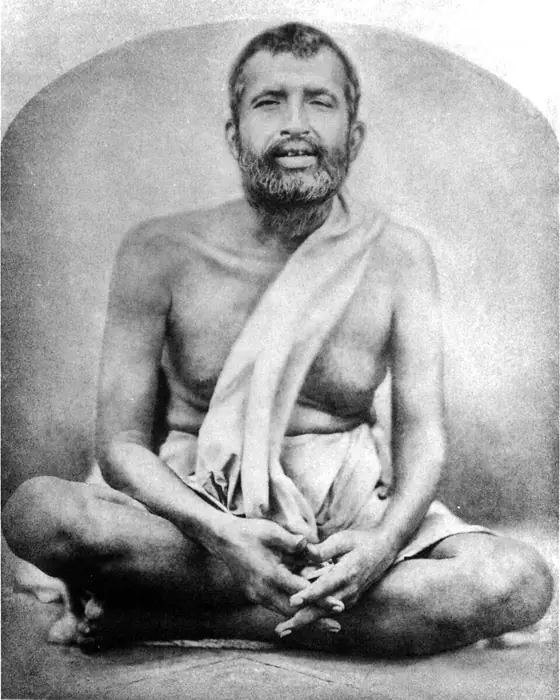 Sri Ramakrishna Paramahamsa1836–1886
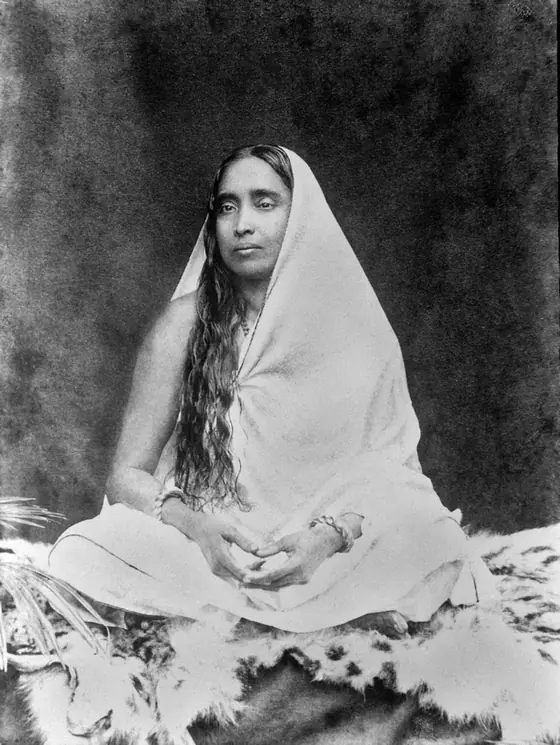 Sri Sarada Devi1853–1920
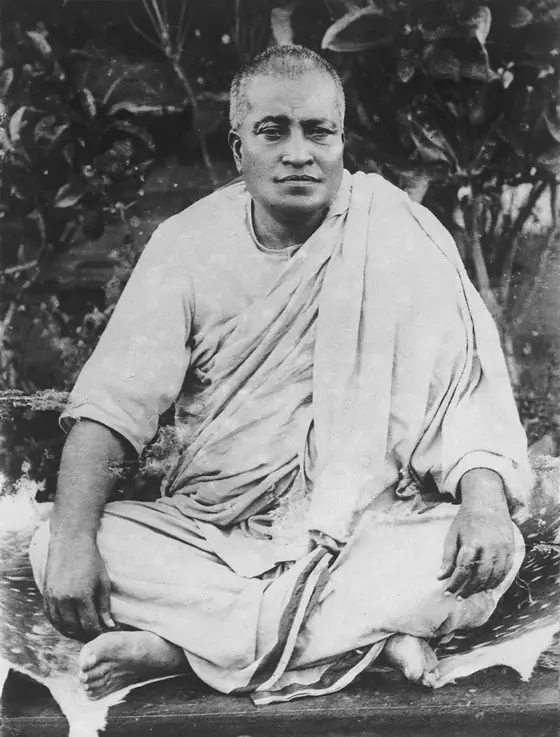 Swami Shivananda1854–1934
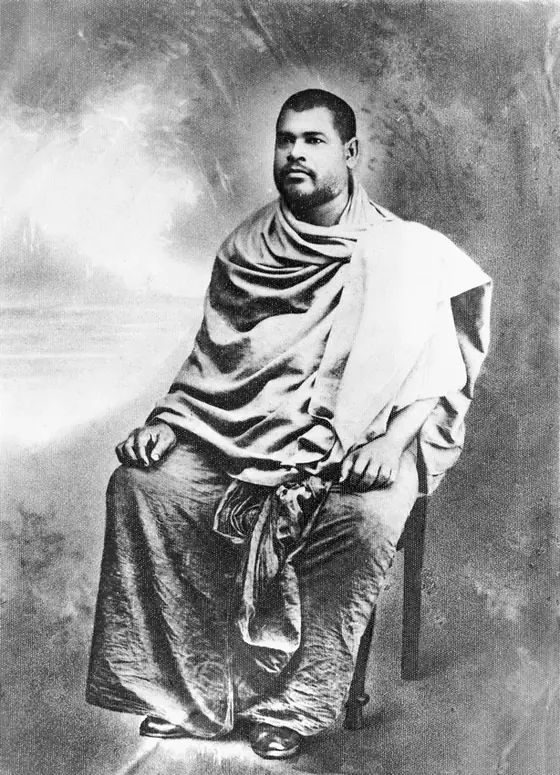
 Swami Brahmananda1863–1922
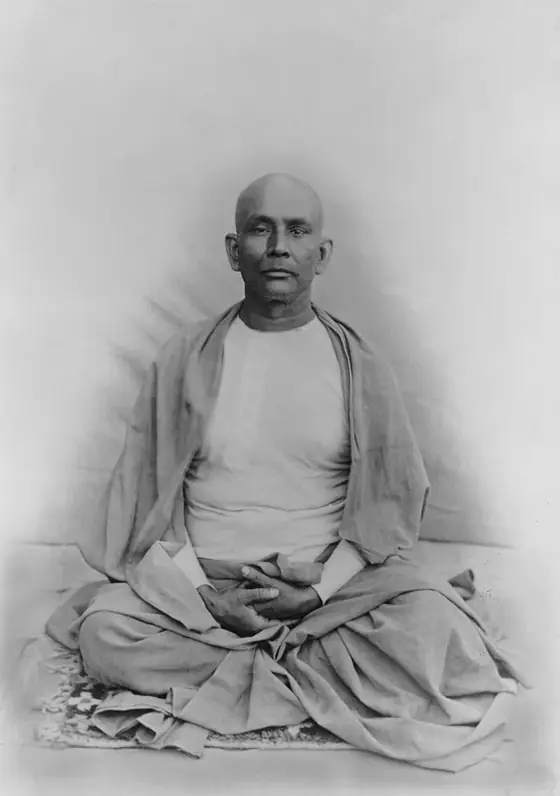
 Swami Ramakrishnananda1863–1911
 Swami Turiyananda1863–1922
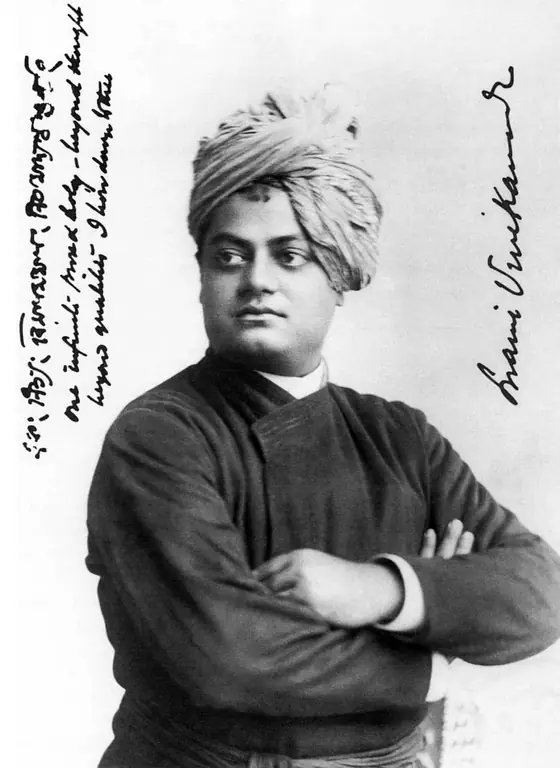 Swami Vivekananda1863–1902
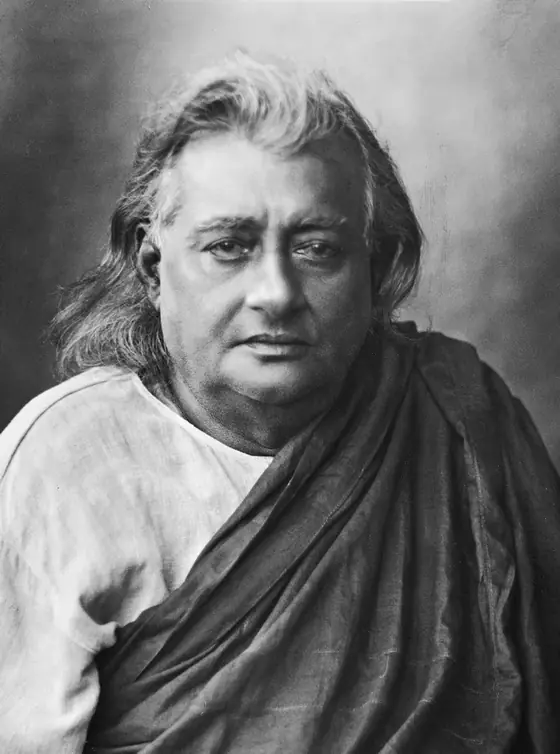 Swami Akhandananda1864–1937
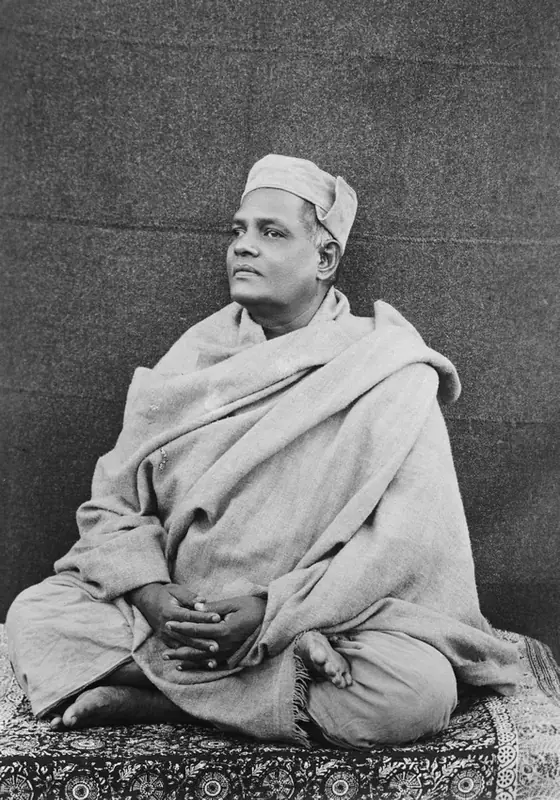 Swami Saradananda1865–1927
Swami Brahmānanda Saraswatī1871–1953
Swami Saradananda1865–1927
Swami Brahmānanda Saraswatī1871–1953
 Swami Rama Tirtha1873–1906
 Kavyakantha Ganapati Muni1878–1936
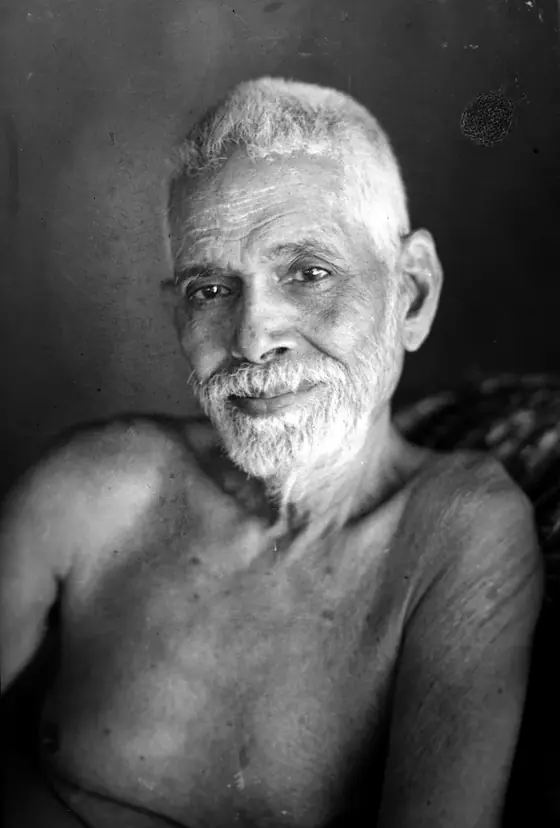 Sri Ramana Maharshi1879–1950
Swami Satchidānandendra Saraswatī1880–1975
Sri Ramana Maharshi1879–1950
Swami Satchidānandendra Saraswatī1880–1975
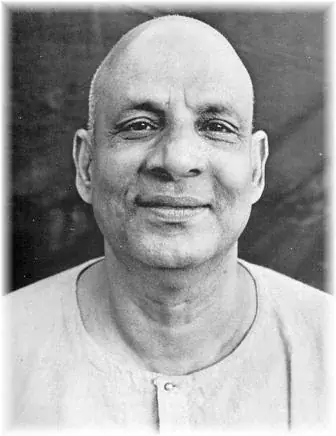 Swami Sivananda1887–1963
Swami Tapovan Maharaj1889–1957
Muruganar1890–1973
Swami Sivananda1887–1963
Swami Tapovan Maharaj1889–1957
Muruganar1890–1973
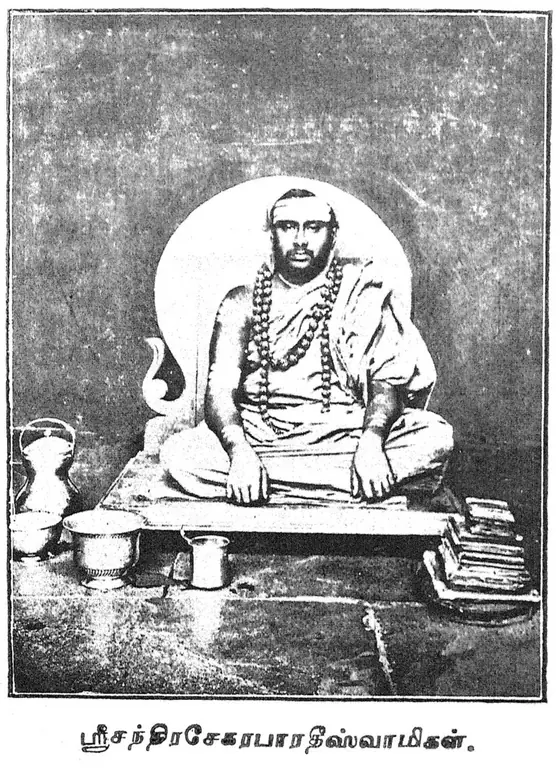 Chandraśekhara Bhāratī III1892–1954
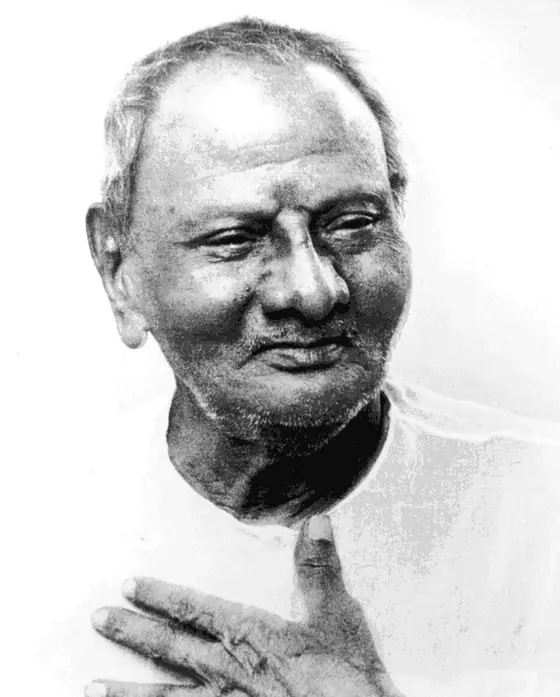 Sri Nisargadatta Maharaj1897–1981
Swami Gambhirananda1899–1988
Sri Nisargadatta Maharaj1897–1981
Swami Gambhirananda1899–1988
The twentieth century
The teaching translated, printed, and taken into classrooms and halls.
10 teachers
Annamalai Swami1906–1995
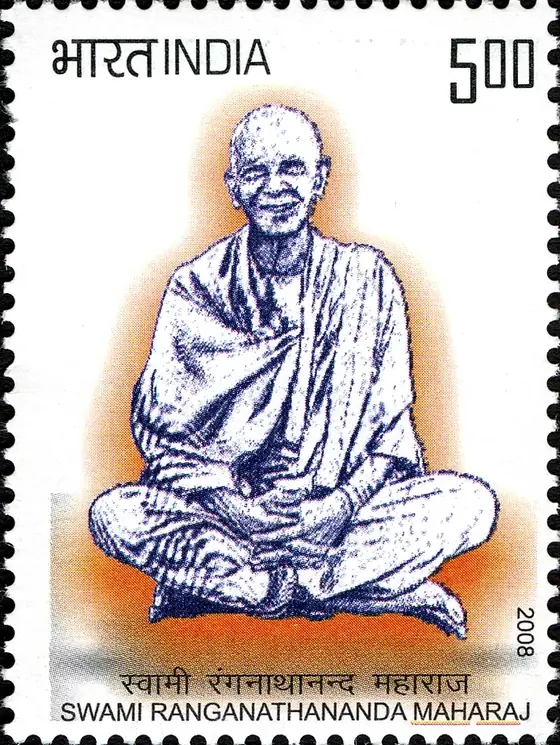 Swami Ranganathananda1908–2005
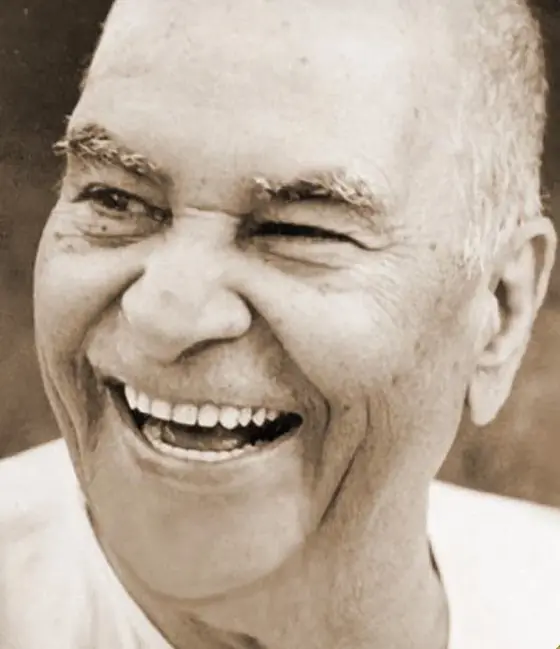 H. W. L. Poonja (Papaji)1910–1997
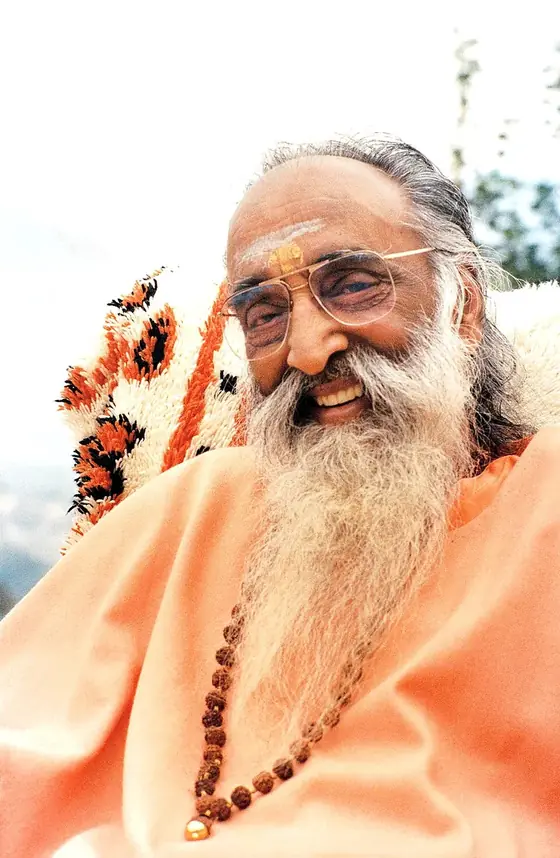 Swami Chinmayananda1916–1993
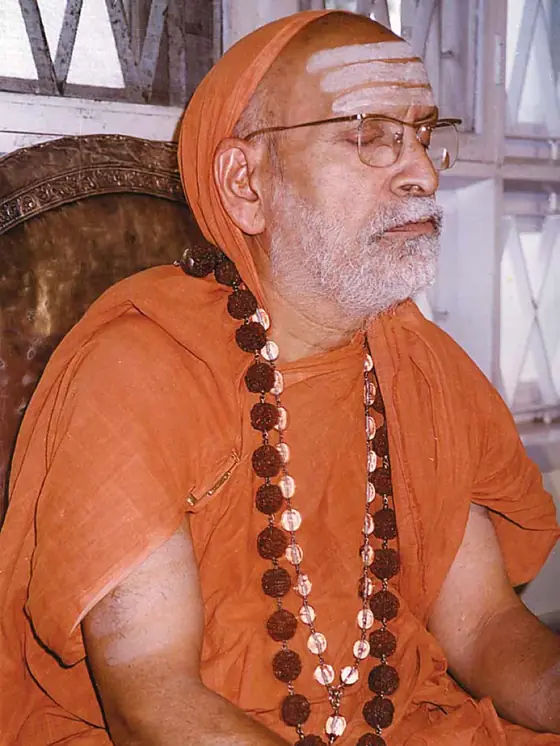 Abhinava Vidyātīrtha1917–1989
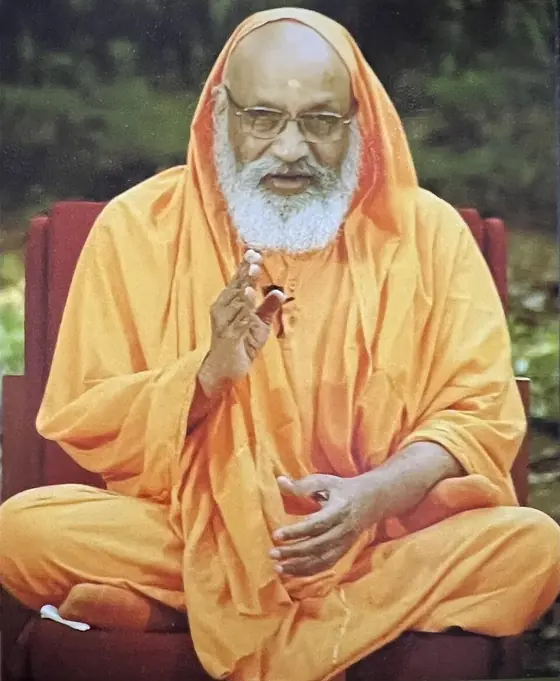 Swami Dayananda Saraswati1930–2015
Swami Abhedanandadied 1939
Sadhu Omtwentieth century
Swami Krishnanandatwentieth century
Swami Nikhilanandatwentieth century
Swami Dayananda Saraswati1930–2015
Swami Abhedanandadied 1939
Sadhu Omtwentieth century
Swami Krishnanandatwentieth century
Swami Nikhilanandatwentieth century
Teaching now
Living teachers, in Śṛṅgeri, in New York, in Chennai and wherever a class is running this week.
5 teachersThe Shankara Lineage · 21 teachers
Advaita given its architecture — The Advaita Guru Paramparā traces itself from the Vedic seers through Gauḍapāda and Govinda Bhagavatpāda to Adi Shankara, and from his four principal disciples into the monastic seats he established at the four corners of India. The Sringeri line continues unbroken to the present Jagadguru.
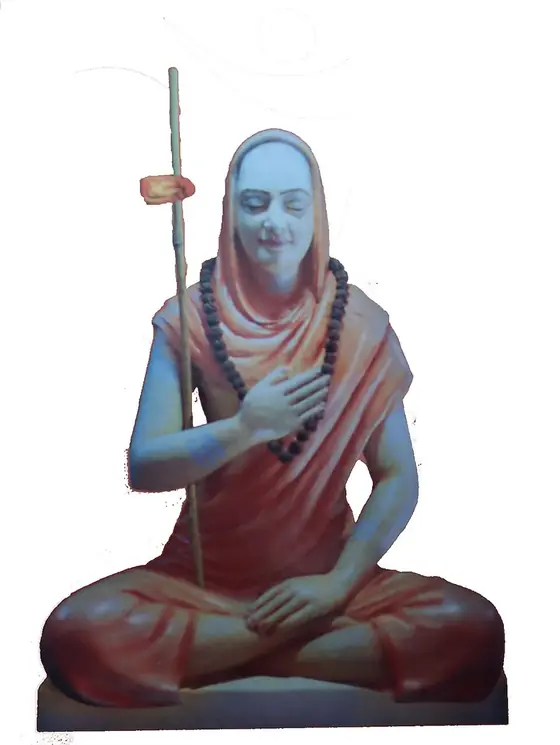 Gauḍapāda
c. 6th century CE
Grand-guru of Adi Shankara
Govinda Bhagavatpāda
c. 7th–8th century CE
Guru of Adi Shankara
Gauḍapāda
c. 6th century CE
Grand-guru of Adi Shankara
Govinda Bhagavatpāda
c. 7th–8th century CE
Guru of Adi Shankara
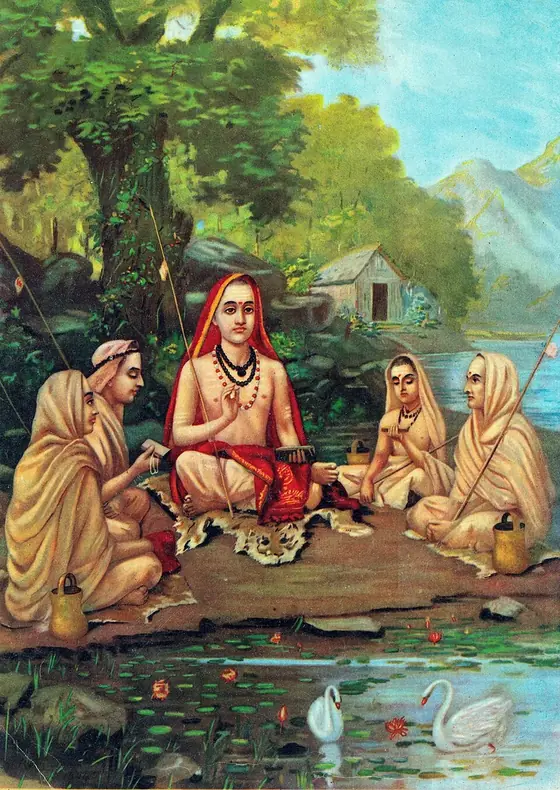 Adi Shankara
c. 8th century CE
The pivotal exponent of Advaita Vedanta
Adi Shankara
c. 8th century CE
The pivotal exponent of Advaita Vedanta
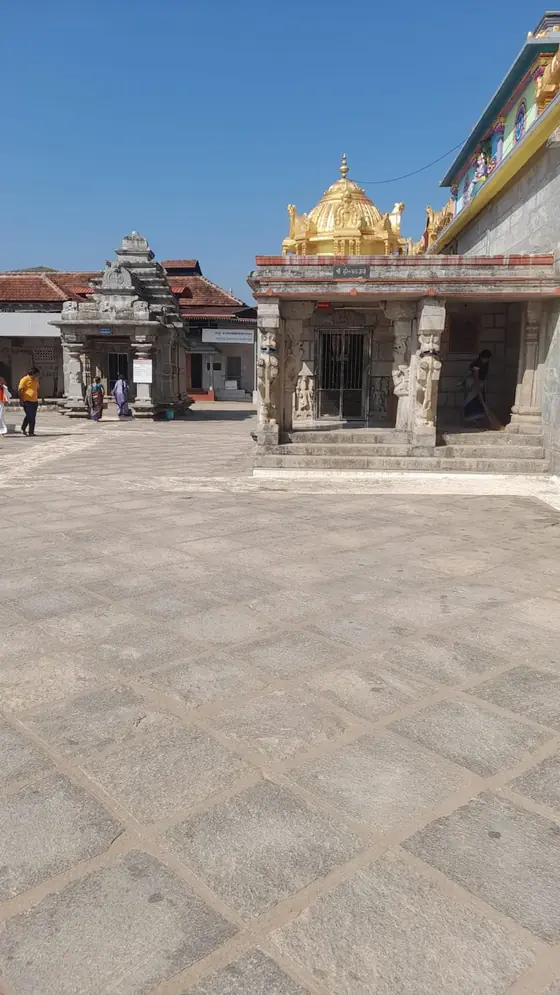 Sureśvarāchārya
8th century CE
Direct disciple of Adi Shankara
Padmapādāchārya
8th century CE
Direct disciple of Adi Shankara
Toṭakāchārya
8th century CE
Direct disciple of Adi Shankara
Hastāmalaka
8th century CE
Direct disciple of Adi Shankara
Sureśvarāchārya
8th century CE
Direct disciple of Adi Shankara
Padmapādāchārya
8th century CE
Direct disciple of Adi Shankara
Toṭakāchārya
8th century CE
Direct disciple of Adi Shankara
Hastāmalaka
8th century CE
Direct disciple of Adi Shankara
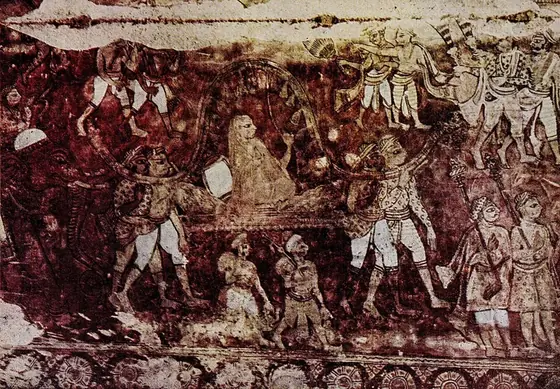 Vidyāraṇya
14th century CE
Jagadguru of Sringeri; author
Vidyāraṇya
14th century CE
Jagadguru of Sringeri; author
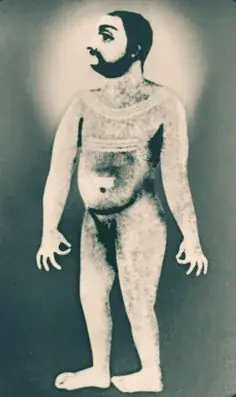 Sadāśiva Brahmendra
c. 17th–18th century CE
Avadhūta and composer
Chandraśekhara Bhāratī III
1892–1954
34th Jagadguru of Sringeri
Abhinava Vidyātīrtha
1917–1989
35th Jagadguru of Sringeri
Sadāśiva Brahmendra
c. 17th–18th century CE
Avadhūta and composer
Chandraśekhara Bhāratī III
1892–1954
34th Jagadguru of Sringeri
Abhinava Vidyātīrtha
1917–1989
35th Jagadguru of Sringeri
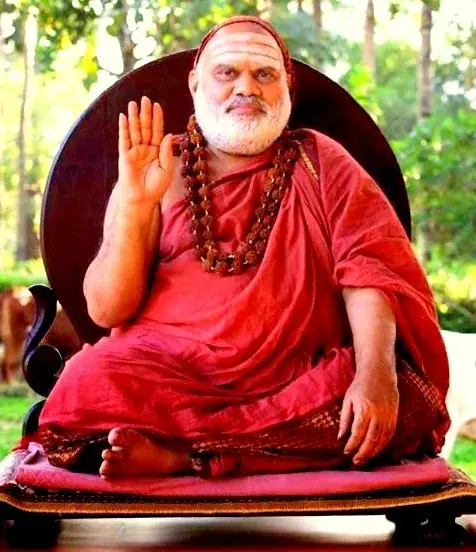 Bhāratī Tīrtha
b. 1951
36th Jagadguru of Sringeri
Maṇḍana Miśra
c. 8th century CE
Author of the Brahma-siddhi
Vācaspati Miśra
c. 9th–10th century CE
Author of the Bhāmatī commentary
Prakāśātman
c. 10th century CE
Author of the Pañcapādikā-vivaraṇa
Sarvajñātman
c. 10th–11th century CE
Author of the Saṃkṣepaśārīraka
Madhusūdana Sarasvatī
c. 16th century CE
Author of the Advaita-siddhi
Dharmarāja Adhvarīndra
c. 17th century CE
Author of the Vedānta Paribhāṣā
Swami Satchidānandendra Saraswatī
1880–1975
Founder of the Adhyātma Prakāśa Kāryālaya, Holenarasipura
Vimuktātman
c. 10th century CE
Author of the Iṣṭa-siddhi
Swami Brahmānanda Saraswatī
1871–1953
Śaṅkarācārya of the Jyotir Maṭha, Joshimath
Bhāratī Tīrtha
b. 1951
36th Jagadguru of Sringeri
Maṇḍana Miśra
c. 8th century CE
Author of the Brahma-siddhi
Vācaspati Miśra
c. 9th–10th century CE
Author of the Bhāmatī commentary
Prakāśātman
c. 10th century CE
Author of the Pañcapādikā-vivaraṇa
Sarvajñātman
c. 10th–11th century CE
Author of the Saṃkṣepaśārīraka
Madhusūdana Sarasvatī
c. 16th century CE
Author of the Advaita-siddhi
Dharmarāja Adhvarīndra
c. 17th century CE
Author of the Vedānta Paribhāṣā
Swami Satchidānandendra Saraswatī
1880–1975
Founder of the Adhyātma Prakāśa Kāryālaya, Holenarasipura
Vimuktātman
c. 10th century CE
Author of the Iṣṭa-siddhi
Swami Brahmānanda Saraswatī
1871–1953
Śaṅkarācārya of the Jyotir Maṭha, Joshimath
The Ramakrishna Lineage · 14 teachers
Non-duality lived, then carried worldwide — Sri Ramakrishna Paramahamsa practised within several traditions and declared one goal. Sri Sarada Devi and his direct monastic disciples formed the Ramakrishna Order, which Swami Vivekananda took to the world in 1893, and which today teaches Advaita in centres across every continent.
Sri Ramakrishna Paramahamsa
1836–1886
Mystic of Dakshineswar
Sri Sarada Devi
1853–1920
Holy Mother
Swami Vivekananda
1863–1902
Founder of the Ramakrishna Order
Swami Brahmananda
1863–1922
1st President of the Ramakrishna Order
Swami Shivananda
1854–1934
2nd President of the Ramakrishna Order
Swami Saradananda
1865–1927
Direct disciple; first General Secretary
Swami Turiyananda
1863–1922
Direct disciple; teacher in California
Swami Ramakrishnananda
1863–1911
Direct disciple; founder of the Madras centre
Swami Akhandananda
1864–1937
Direct disciple; 3rd President
Swami Ranganathananda
1908–2005
13th President of the Ramakrishna Order
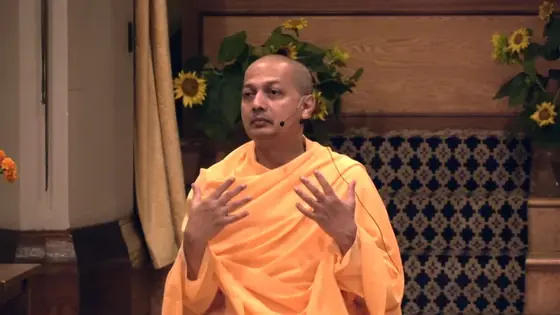 Swami Sarvapriyananda
b. 1968
Minister, Vedanta Society of New York
Swami Abhedananda
died 1939
Direct disciple of Sri Ramakrishna; Vedānta teacher in London and New York
Swami Gambhirananda
1899–1988
Translator of Śaṅkara's commentaries; eleventh President of the Ramakrishna Order
Swami Nikhilananda
twentieth century
Translator of The Gospel of Sri Ramakrishna
Swami Sarvapriyananda
b. 1968
Minister, Vedanta Society of New York
Swami Abhedananda
died 1939
Direct disciple of Sri Ramakrishna; Vedānta teacher in London and New York
Swami Gambhirananda
1899–1988
Translator of Śaṅkara's commentaries; eleventh President of the Ramakrishna Order
Swami Nikhilananda
twentieth century
Translator of The Gospel of Sri Ramakrishna
The Ramana Lineage · 6 teachers
One question, asked for fifty-four years — Sri Ramana Maharshi left no organisation and named no successor, teaching self-enquiry mostly in silence at Arunachala. What survives comes through those who wrote it down and those who lived it, in India and beyond.
Sri Ramana Maharshi
1879–1950
The sage of Arunachala
Kavyakantha Ganapati Muni
1878–1936
Scholar-poet; named Ramana
Muruganar
1890–1973
Poet of Ramana's teaching
Annamalai Swami
1906–1995
Disciple and ashram worker
H. W. L. Poonja (Papaji)
1910–1997
Disciple of Ramana; teacher at Lucknow
Sadhu Om
twentieth century
Compiler and translator in Ramana Maharshi's Tamil circle
The Chinmaya Lineage · 8 teachers
The scriptures brought to the streets — Swami Tapovan Maharaj taught in Himalayan seclusion at Uttarkashi; his student Swami Chinmayananda took the Bhagavad Gita and the Upanishads to mass audiences from 1951, founding Chinmaya Mission and its children's classes. The line continues through his successors.
Swami Sivananda
1887–1963
Founder of the Divine Life Society
Swami Tapovan Maharaj
1889–1957
Guru of Swami Chinmayananda
Swami Chinmayananda
1916–1993
Founder of Chinmaya Mission
Swami Dayananda Saraswati
1930–2015
Teacher of teachers; Arsha Vidya
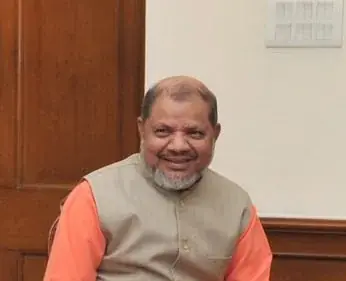 Swami Tejomayananda
b. 1950
Head of Chinmaya Mission, 1993–2017
Swami Swaroopananda
b. 1950s
Present head of Chinmaya Mission
Swami Krishnananda
twentieth century
General Secretary of the Divine Life Society, Rishikesh
Swami Paramarthananda
living teacher
Teacher of Vedānta in Chennai
Swami Tejomayananda
b. 1950
Head of Chinmaya Mission, 1993–2017
Swami Swaroopananda
b. 1950s
Present head of Chinmaya Mission
Swami Krishnananda
twentieth century
General Secretary of the Divine Life Society, Rishikesh
Swami Paramarthananda
living teacher
Teacher of Vedānta in Chennai
Kindred Voices · 2 teachers
The same enquiry, outside the four lines — Teachers of the same non-dual enquiry who stand outside these four successions, and whose plain language often opens the door fastest.
These are living institutions, not historical curiosities. If any of it lands, go to the source: a Śṛṅgeri discourse, a Sunday talk in New York, a Saturday morning class at a Chinmaya centre.