The picture
A concrete image from your own day — a phone, a mirror, a queue, a dream last night. Never a scriptural example first.

Advaita Vedanta, one message a day
Short daily messages, each one a single idea from the Vedanta tradition taken apart until nothing technical is left — a picture from your own day, one Sanskrit word as a label for something you have already felt, a real experiment, and one question to answer by evening. No background is assumed, and the same message is meant to work for everyone who reads it.
The card changes at midnight. Use the arrows to read around it, and copy it straight into WhatsApp or an email.
From the Upaniṣads, the epics, the Purāṇas and the lives of the teachers — a different one each day, each named to its source.
The rule behind every card: no word survives unless it can be said without jargon, and nothing is asserted that cannot be checked in your own experience today. If a sentence needs a technical term to stand up, the sentence is wrong.
A concrete image from your own day — a phone, a mirror, a queue, a dream last night. Never a scriptural example first.
The teaching itself, in ordinary English, in under a hundred words. If it cannot be said that way, it is not yet understood.
Exactly one Sanskrit term per day, introduced as a label for something you have already noticed — never as new information to memorise.
The same idea run through something current: a cloud login, a saved game, a group chat, a bad night’s sleep.
The teacher and the text, named. A verse from Shankara, a dialogue at Arunachala, a parable from Dakshineswar, a line from a Gita talk.
A small experiment for the day and one question to answer by evening — because a teaching that is only read is a teaching that is only remembered.
Every card ends twice, so nobody is left out. One ending is for the part of you that wants to argue — Vedanta as a rival account of consciousness, to be tested rather than believed. The other is a story, an image, or something small to do. Same idea, two doors, and you are free to use either.
Every weekend a longer message goes out: the source text at greater length, where the idea sits in the tradition, and a practice to carry through the week. Twenty unhurried minutes, alone or read aloud with whoever is around.
Nothing here asks to be believed. Doubt is treated as the beginning of the enquiry rather than an obstacle to it, and every message can be tested against your own experience before you accept a word of it.
Begin with the technical vocabulary and most readers are gone inside a fortnight. So the order is reversed: look first, name later. Below is the shape of the first sixty days; beyond them the sequence is mapped out for ten years, text by text.
Suffering comes from not knowing who we are. Peel body, senses, breath and mind in Ramana’s own order, then trace the “I”-thought back to where it came from. Self-enquiry needs no belief, only attention.
Waking, dream and deep sleep treated as three sets of data about one experiencer. Awakening is not dream to waking; it is all three states to the screen they appear on. The best on-ramp for a science student.
The salt doll, the tiger raised among sheep, the man on the wrong train. Stories the younger reader keeps for decades, and one value a week that gets reported back the following week.
Only now the vocabulary: the rope and the snake, the three levels of reality, the four great statements. By this point the reader has the experiences to hang the terms on.
Five hundred and twenty weeks already mapped: the short Upaniṣads, all eighteen chapters of the Gītā, the great Upaniṣads, Śaṅkara’s own manuals, Ramaṇa’s direct path, the Gospel and Vivekananda, the later tradition with its arguments, the Vedic ground, and a final year on living it. Every week has a text, a section and a theme — and you can read the whole plan now.
Sixteen themes — who am I, what is real, work and duty, suffering and loss, money and ambition, freedom — each gathering its texts, teachers and messages. Follow one thread.
Fifty-four texts explained before you open them, from the Vedic hymns to the schools that disagree with Advaita. See the shelf and its shape.
The daily message and the longer weekend reading will arrive by email, and on WhatsApp if you give a number — any country, consented separately, stoppable in one word. Sending has not begun yet; joining now puts you first in line. Choose your channel.
Every message traces back to a named teacher. Here are all 51 of them, in the five lines this family reads from — from the sixth century to a monk teaching in Manhattan this week. Each one now has a full page of its own: where they were born, where they walked, what they wrote, what they were up against, and what they actually taught.
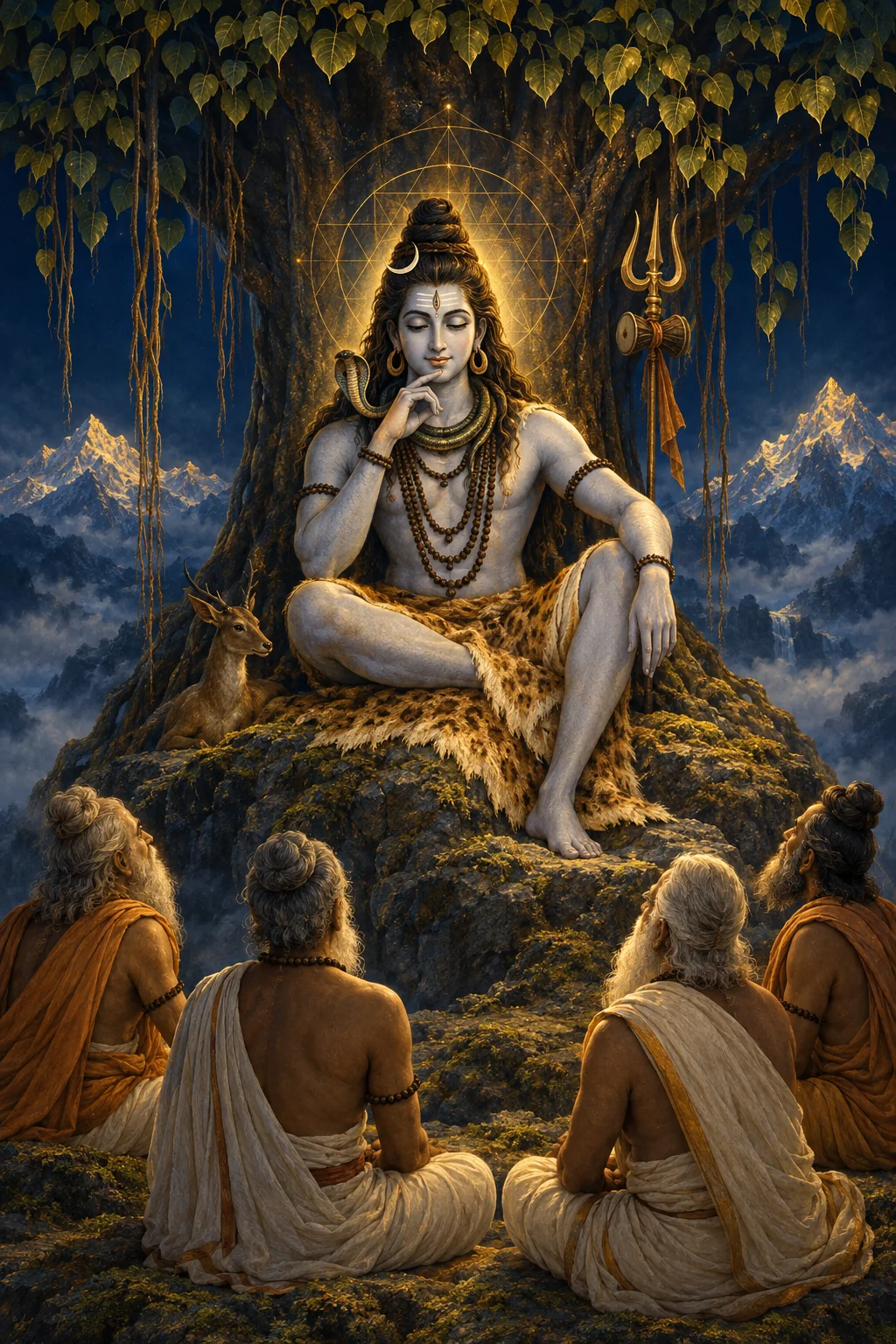
Advaita given its architecture — The Advaita Guru Paramparā traces itself from the Vedic seers through Gauḍapāda and Govinda Bhagavatpāda to Adi Shankara, and from his four principal disciples into the monastic seats he established at the four corners of India. The Sringeri line continues unbroken to the present Jagadguru.
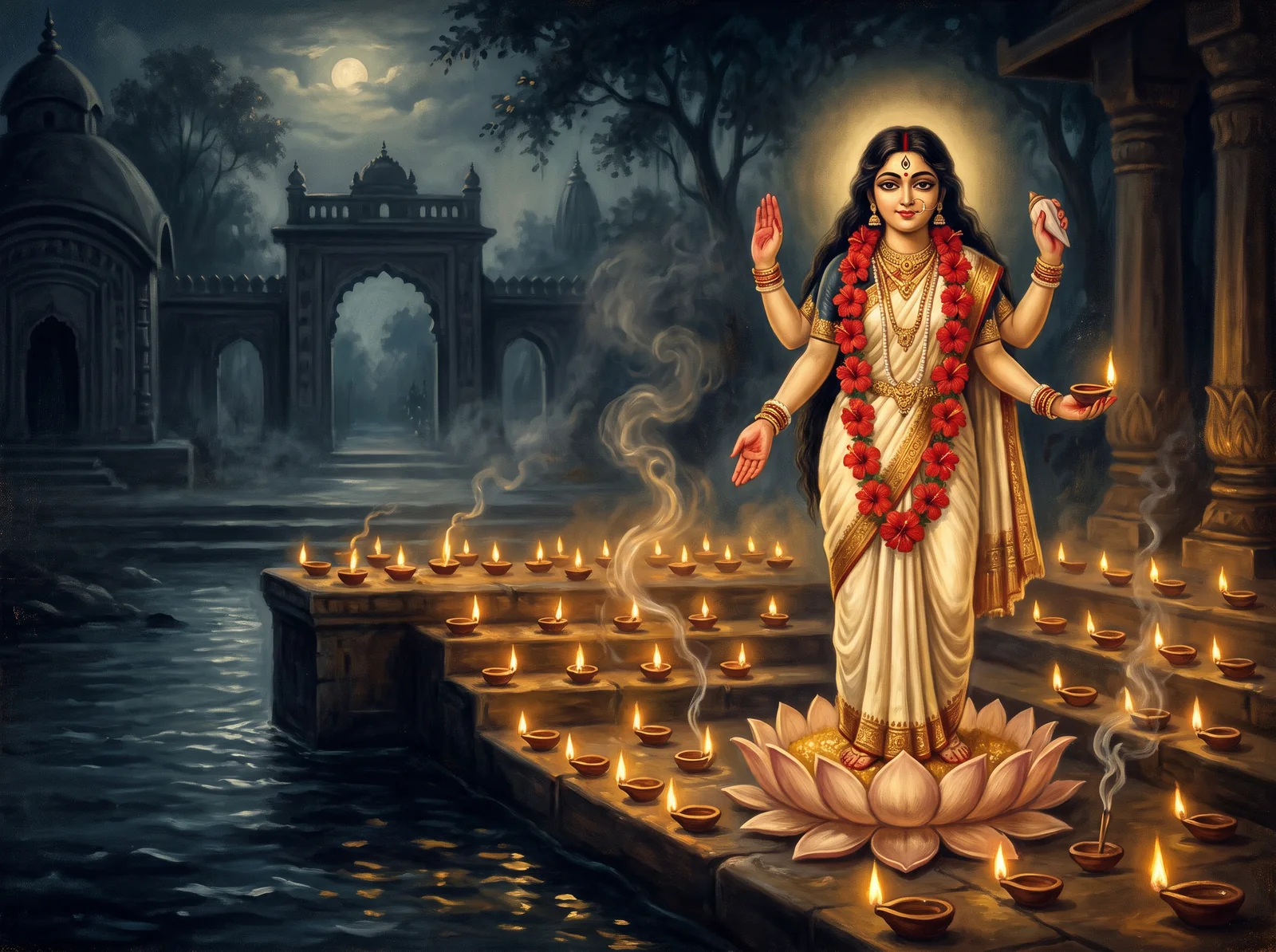
Non-duality lived, then carried worldwide — Sri Ramakrishna Paramahamsa practised within several traditions and declared one goal. Sri Sarada Devi and his direct monastic disciples formed the Ramakrishna Order, which Swami Vivekananda took to the world in 1893, and which today teaches Advaita in centres across every continent.
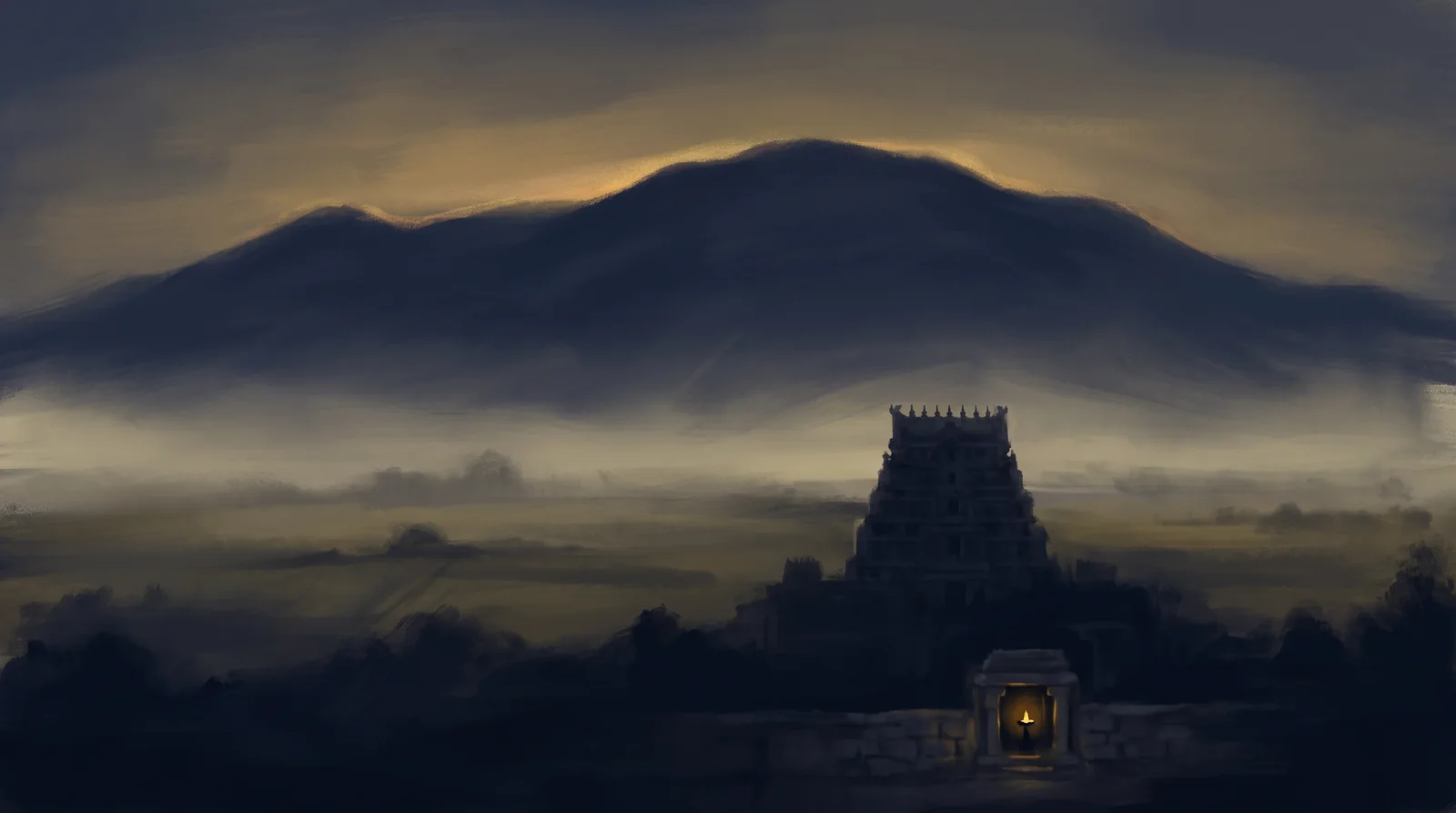
One question, asked for fifty-four years — Sri Ramana Maharshi left no organisation and named no successor, teaching self-enquiry mostly in silence at Arunachala. What survives comes through those who wrote it down and those who lived it, in India and beyond.
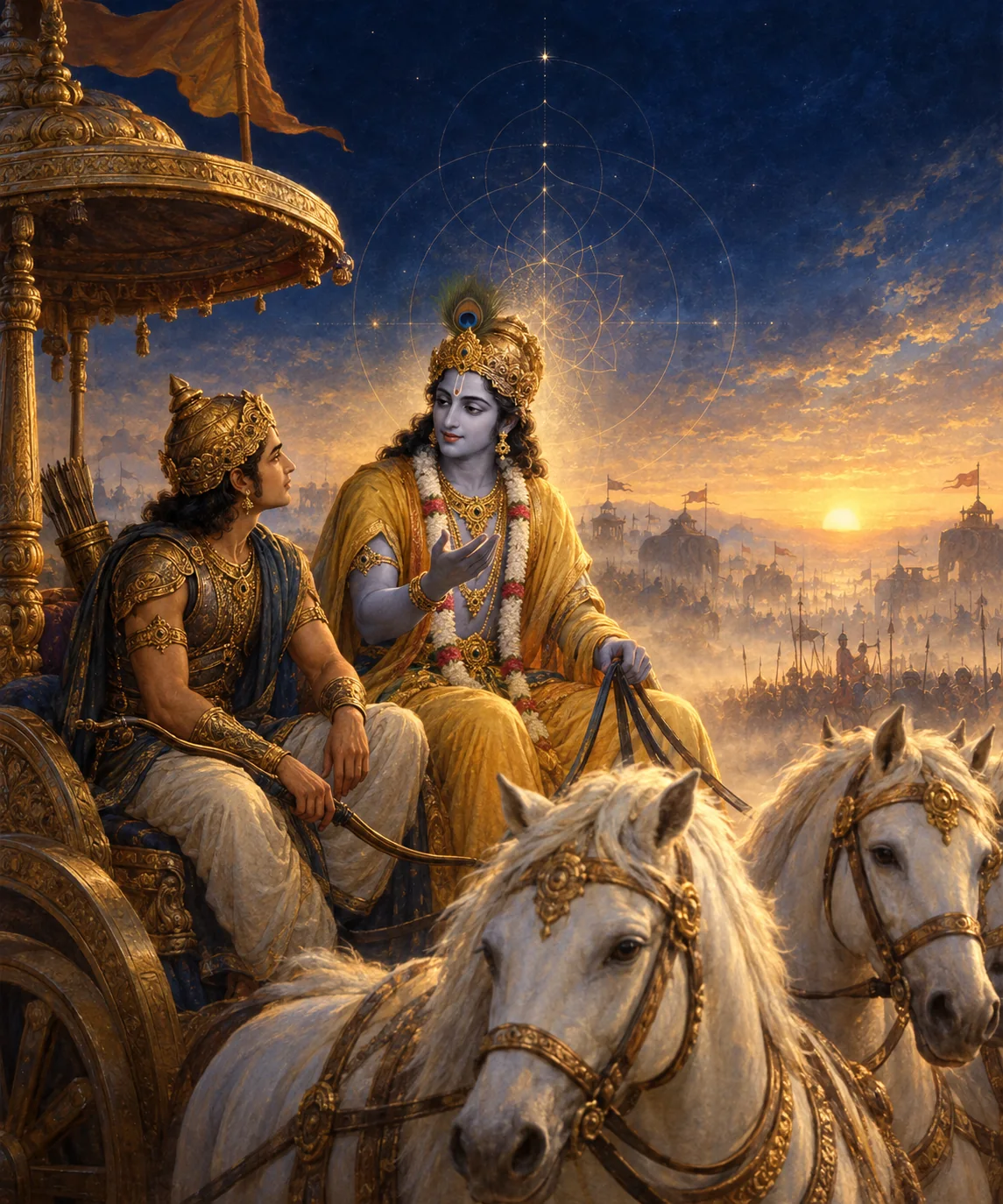
The scriptures brought to the streets — Swami Tapovan Maharaj taught in Himalayan seclusion at Uttarkashi; his student Swami Chinmayananda took the Bhagavad Gita and the Upanishads to mass audiences from 1951, founding Chinmaya Mission and its children's classes. The line continues through his successors.
The same enquiry, outside the four lines — Teachers of the same non-dual enquiry who stand outside these four successions, and whose plain language often opens the door fastest.
Fifty-four texts, and they are not a reading list in random order — they have a shape. Four collections of hymns that each end in enquiry; three texts every school of Vedanta must comment on before it is taken seriously; the commentaries and short manuals that make those three readable; eight centuries of sharpening after that; the schools that read the same books and reached a different conclusion; and the recent voices most readers meet first. Each text opens into a full study: how it came to exist, when, in what circumstances, who stands behind it, what it says, and what it is for in an ordinary present-day life.
A short clip carries a tone that text cannot. Three to begin with; the rest are on the watch page.

One short message each morning, and a longer reading at the weekend — a picture from an ordinary day, the idea in plain words, one Sanskrit term as a label for something you have already noticed, a source you can open yourself, and something to try before evening. No cost, no advertising, nothing sold on, no account to create. Open to anyone, in any country, with no background in any of this.
One confirmation email arrives first — nothing else is sent until you click the link in it. After that, every message carries a link to change what you receive and a one-click link to delete everything held about you, with no reason asked.