Every portrait, credited
This page is about photographs and paintings only. Every image on this site is in the public domain or published under a free licence that permits reuse with attribution, and each licence requires that the artist, the licence and the file record be named — which is what the list below does.
The photographs and paintings below were published in a public media repository under the free licences named; the licence link is the licence itself, and the file name is given as published so that any rights-holder can identify it. No teaching, story, translation or quotation anywhere on this site is taken from a general-purpose encyclopaedia. Every text points instead to the lineage’s own publication of it: a maṭha’s edition, an ashram’s own account, the order’s own translation, or a commentary by a recognised teacher within the tradition. Where the two disagree, the tradition’s own record is what this site follows, and where the record itself is uncertain the page says so.
Licence keys: PD public domain · CC0 no rights reserved · CC BY / CC BY-SA Creative Commons attribution, share-alike where stated · GODL-India Government Open Data Licence – India · FAL Free Art Licence. Where a teacher has no freely licensed portrait, this site shows a symbol rather than a generated or misattributed face.
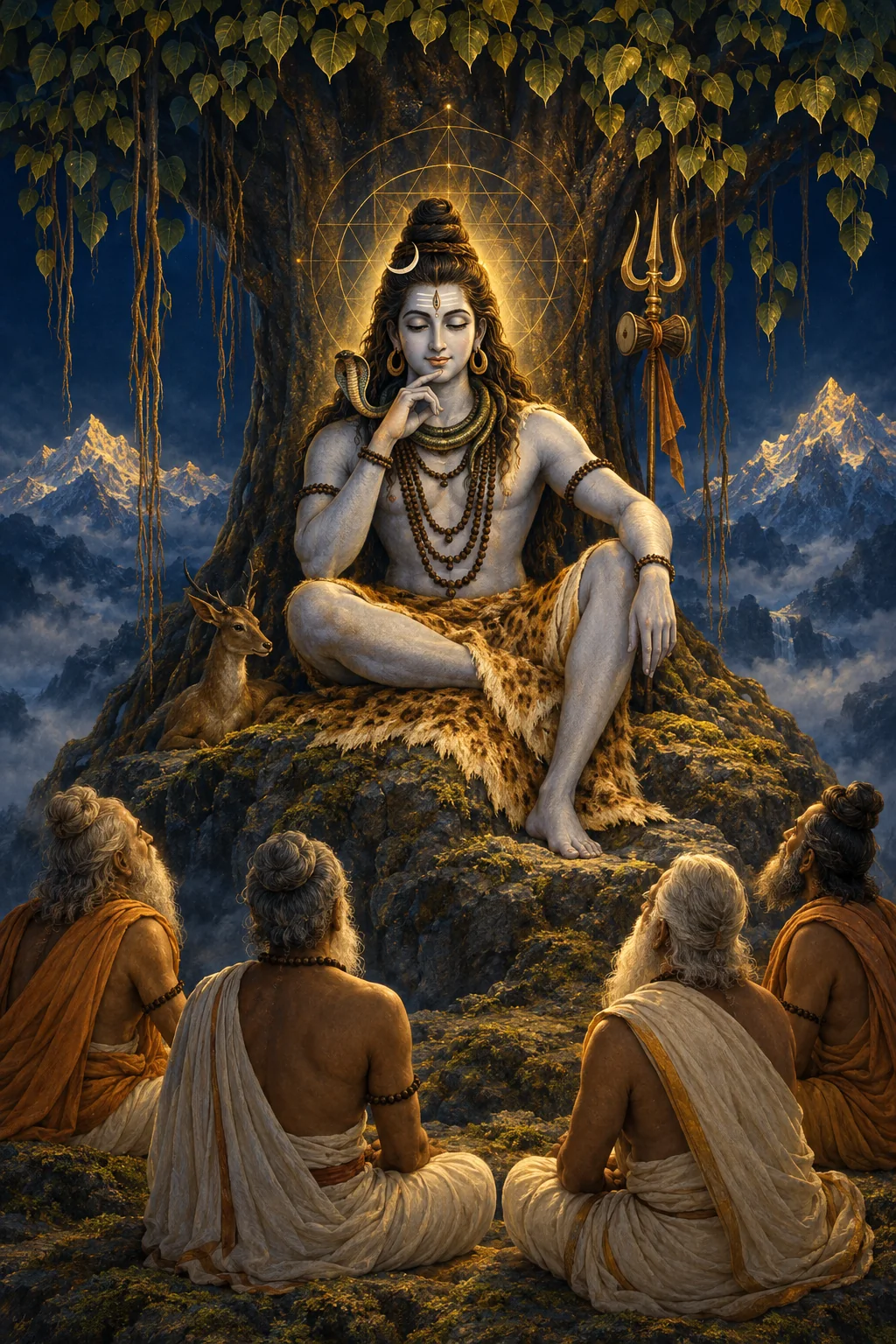
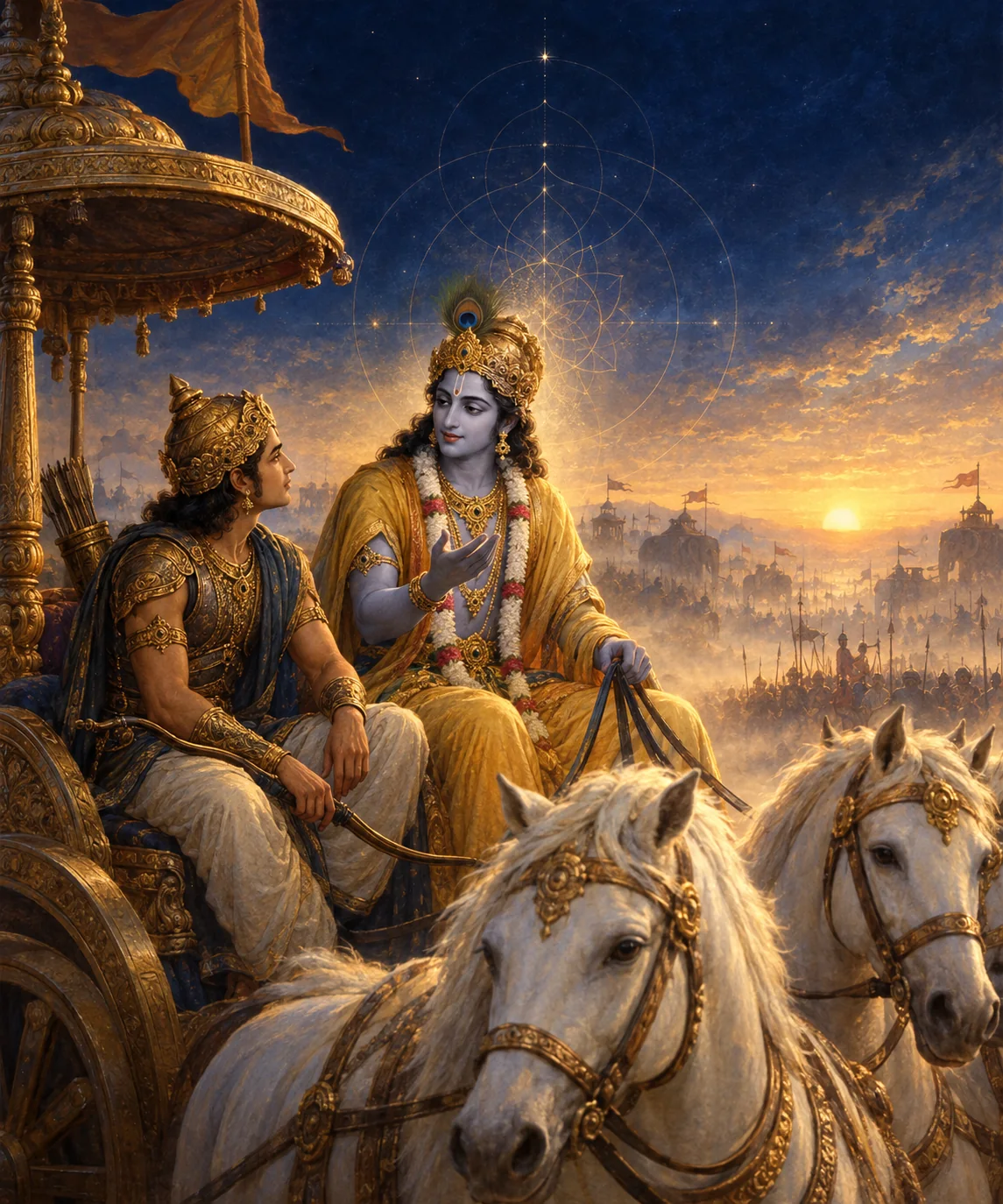
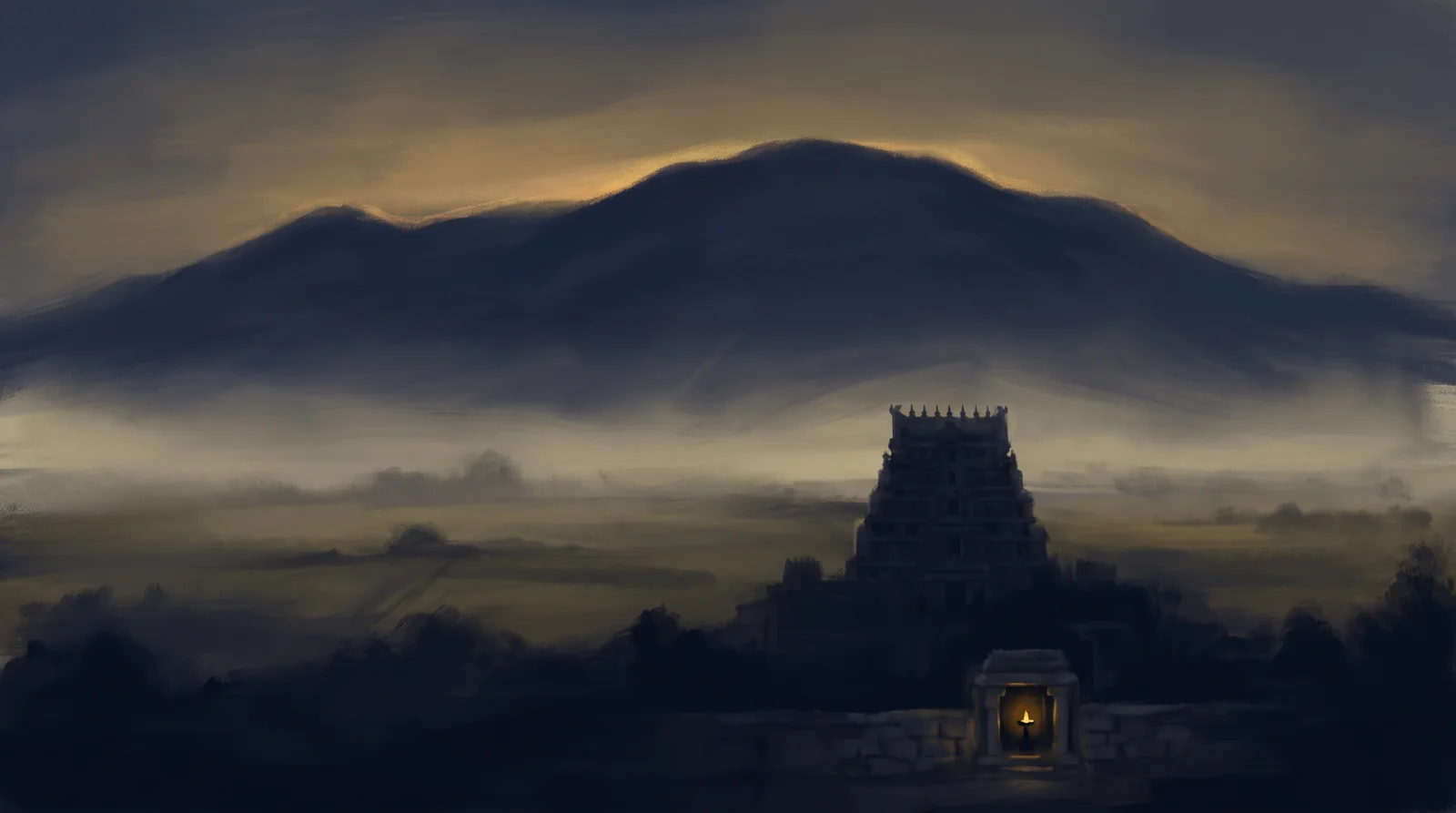
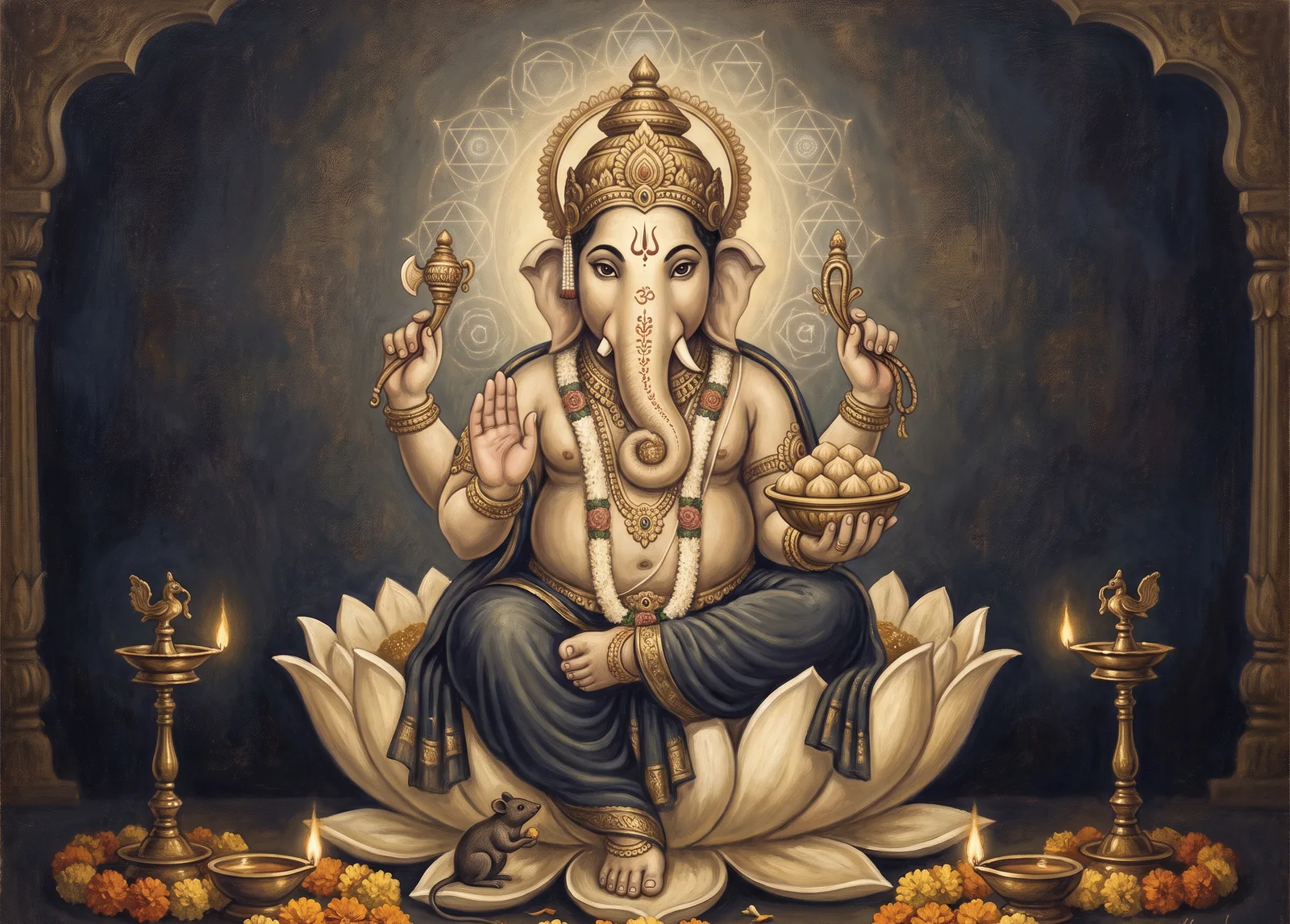
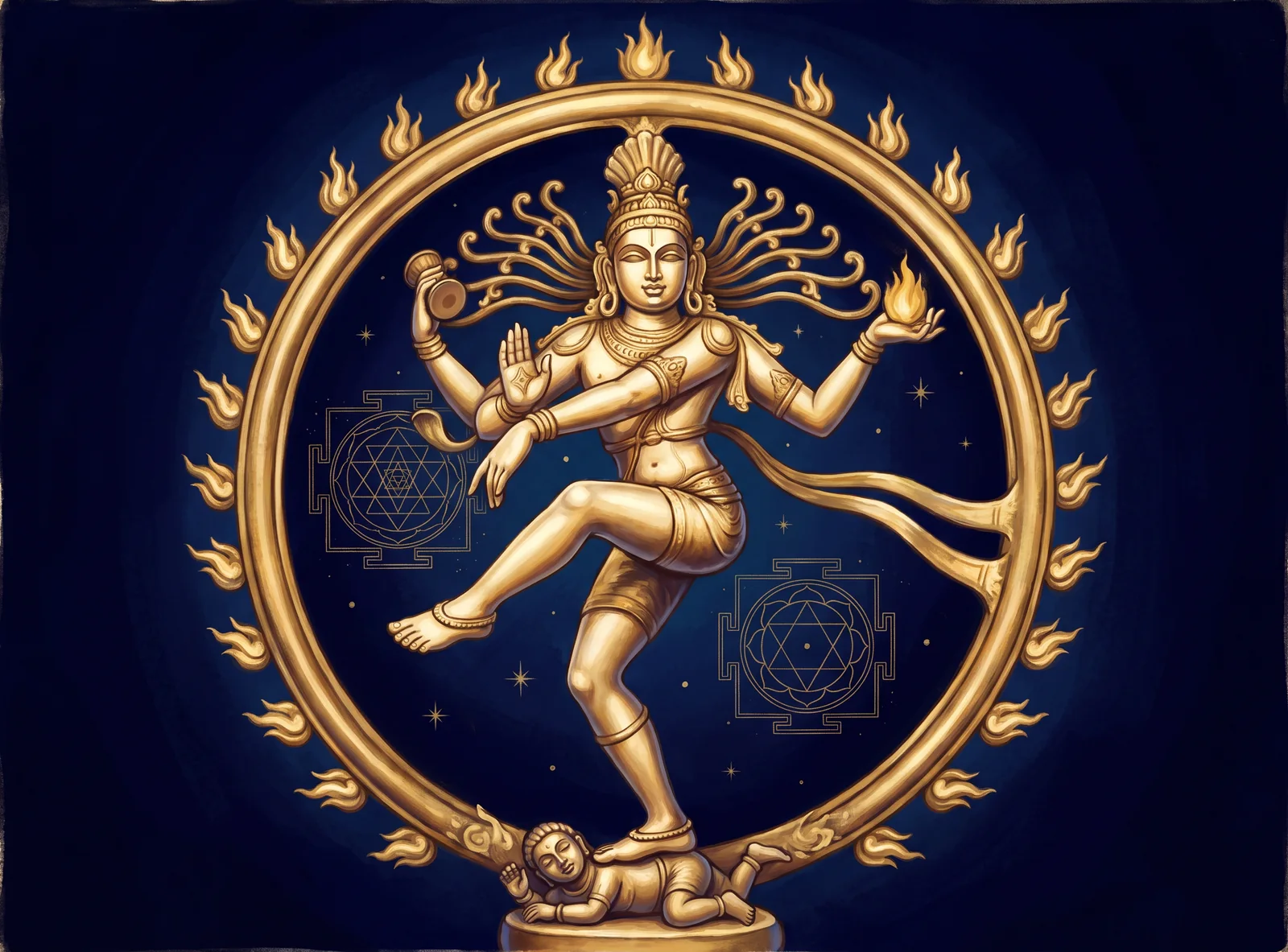
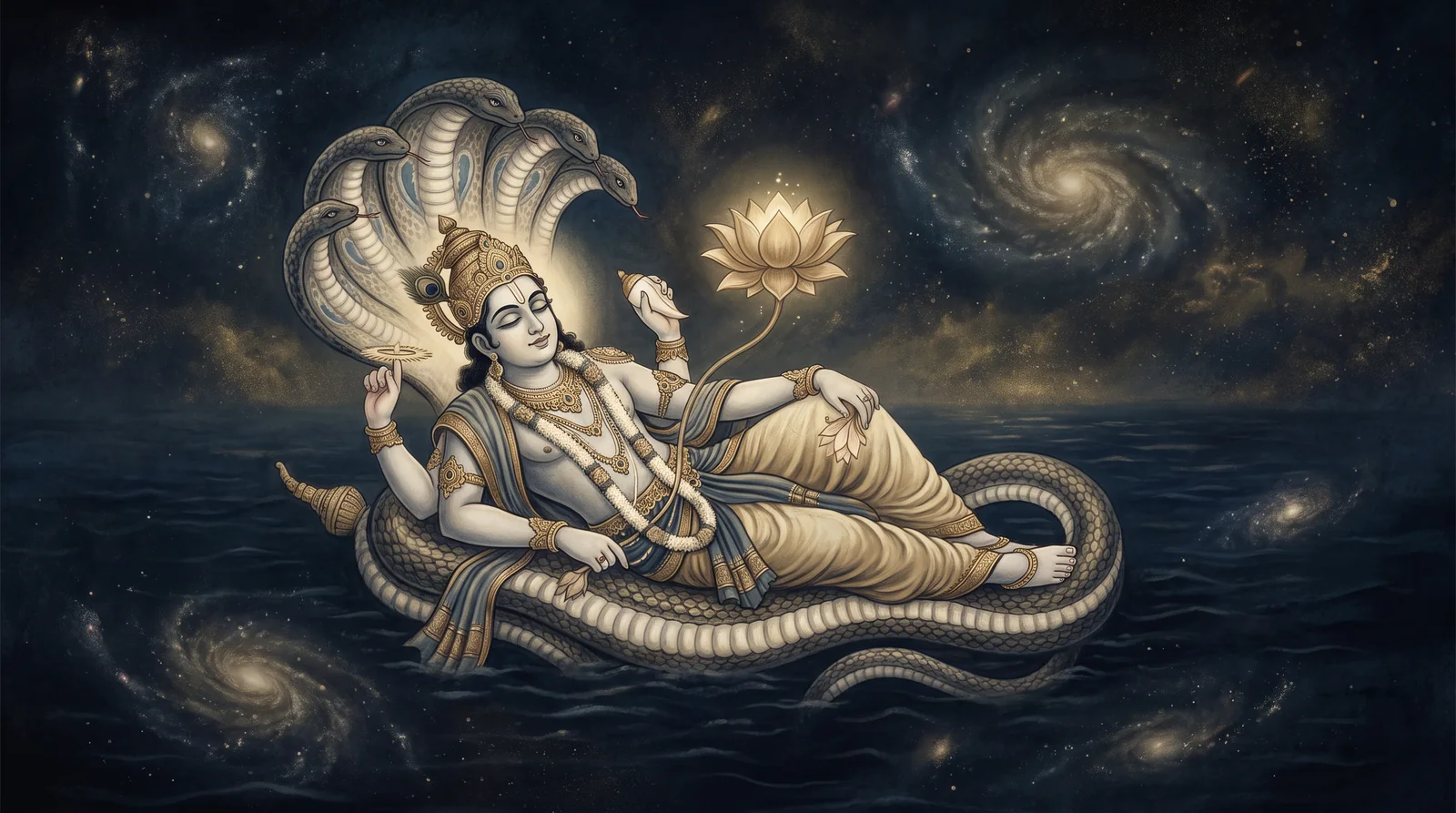
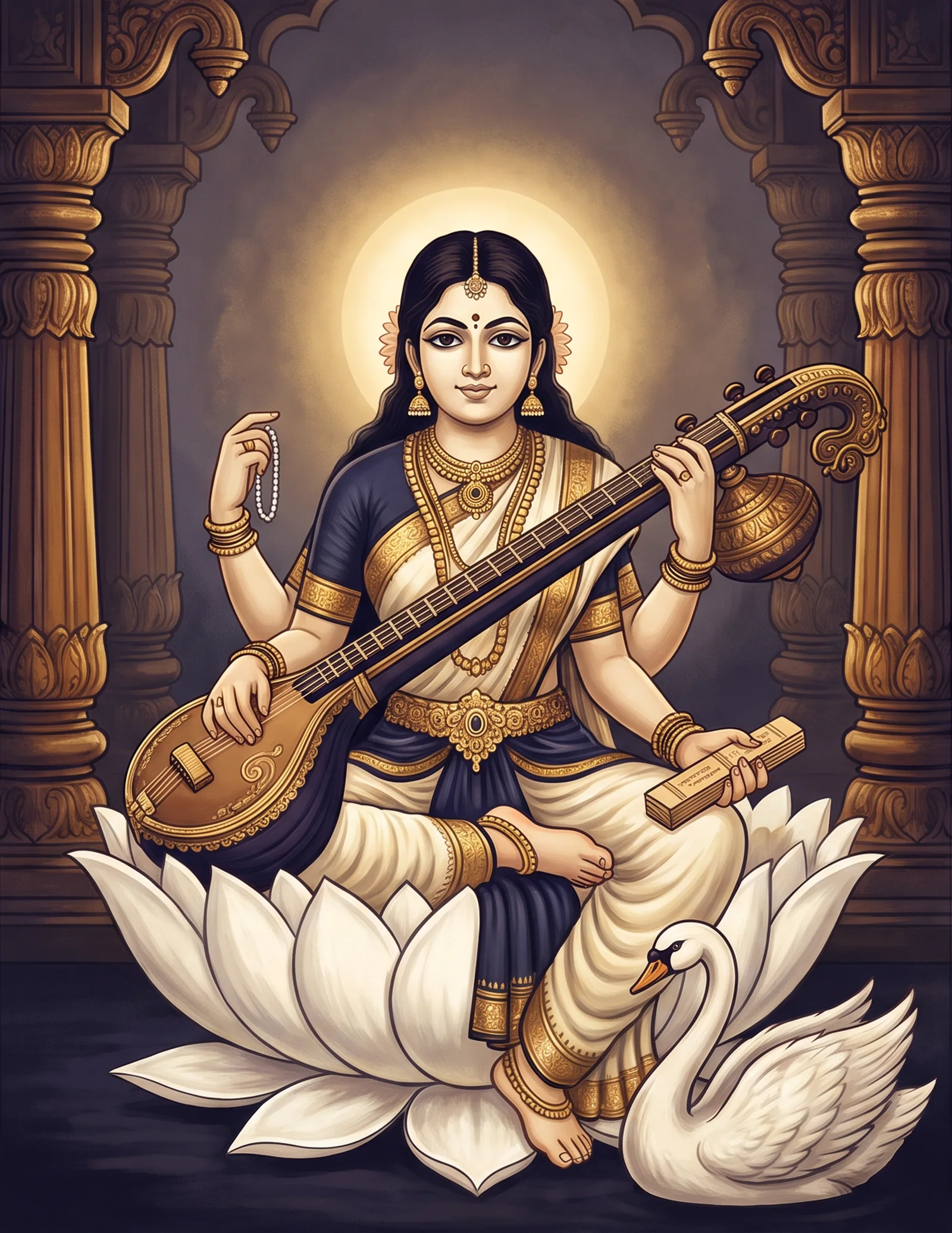
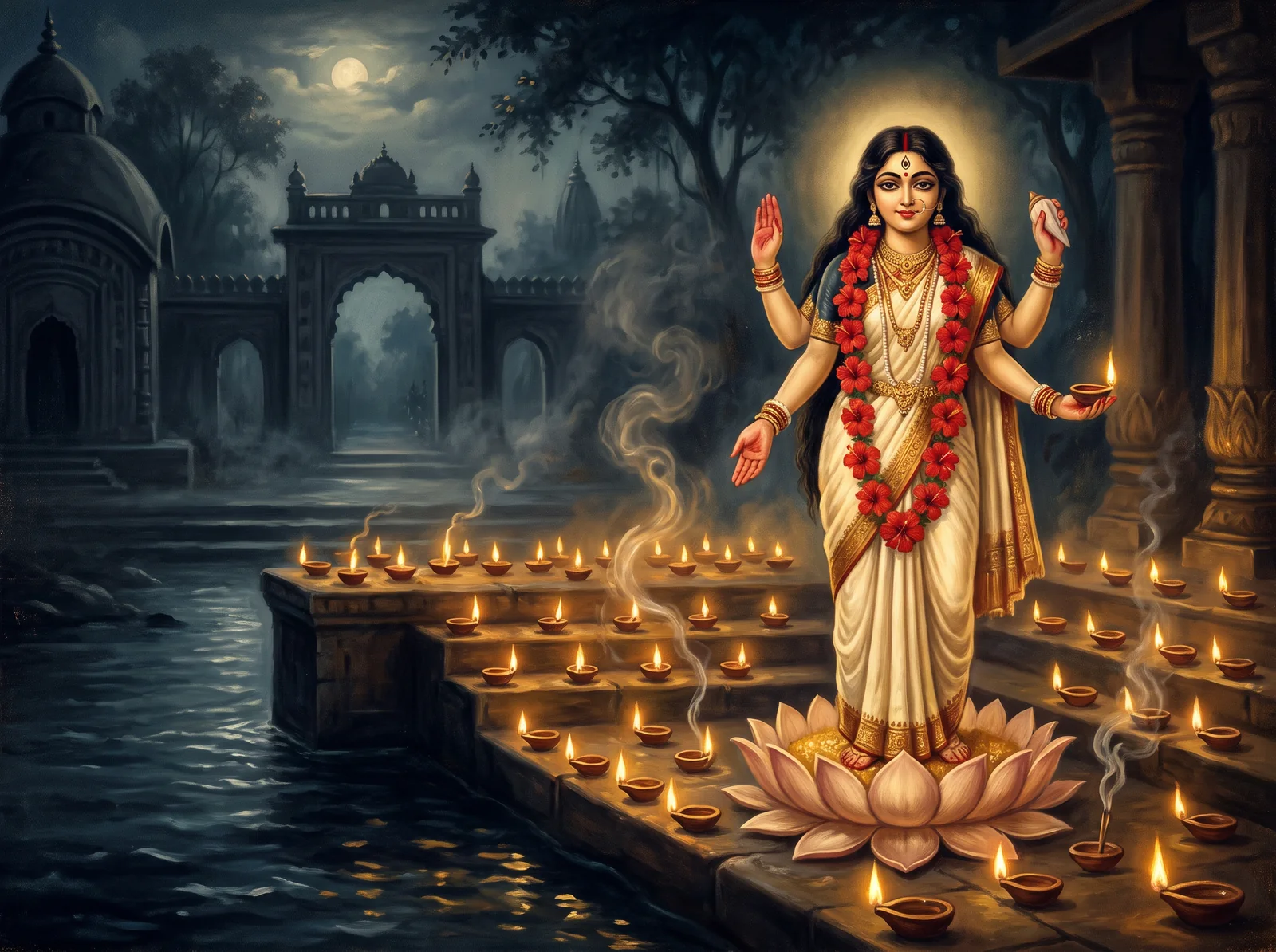
Background and texture images on this site were generated for it and are not portraits of any person. So were the illustration that accompanies each daily message and the changing landscapes behind the home page — painted impressions, not photographs, and none of them shows a real person. If you hold rights in any image here and believe it is used incorrectly, reply to any daily message and it will be removed at once.
The images made for this site
These are not photographs, not reproductions of any existing painting, and not portraits of any living or historical person. They were made for this site so that each page opens the way a class in this tradition opens — with the form one loves placed in front of the thinking, because in these lineages devotion and enquiry were never two separate practices. Each carries the reason it sits where it does.